
For Beijing, Xi’an and Shanghai, the easiest weather usually appears in spring and autumn. For Sanya, winter can be the reason to go. For Yunnan, elevation changes the answer. The right month begins with the places and activities, not with a national average.
Weather is only half the decision. Public holidays, school travel, major trade fairs and local festivals change prices, road time and ticket availability. A beautiful week can still be difficult when millions of domestic trips happen at once.
The short answer for a first trip
Choose April, May, late September or October for a classic Beijing, Xi’an, Shanghai and Hangzhou journey. Temperatures are generally easier for long outdoor days than the hottest summer weeks or the coldest winter period.
Do not treat those months as guaranteed sunshine. Spring can bring rain and rapid temperature changes. Early autumn in coastal eastern China can still meet typhoon weather. Pack layers and protect one flexible day.
January and February
Beijing is cold and dry, but winter light can be crisp and major sites may feel calmer outside the holiday peaks. Harbin is a deliberate winter trip, not an extension of a light city wardrobe. Sanya offers warm coastal weather and attracts high seasonal demand.
Spring Festival creates one of the largest annual travel movements. In 2026, the official holiday lasted nine days and the wider transport rush extended for weeks. Travel during the festival can be culturally rewarding, but trains, flights and resorts require early planning.
March and April
March begins the transition. Beijing can still feel cool and windy while Shanghai becomes softer and wetter. By April, classic routes are comfortable and gardens, parks and mountain areas begin to open fully.
Carry a light waterproof layer and something warm for mornings. This is an excellent period for Beijing, Xi’an, Shanghai, Suzhou and Hangzhou, provided the itinerary checks the exact Qingming holiday dates and attraction booking calendar.
May
May is one of the best weather months for many first trips. Days are warmer without the full intensity of summer. The important exception is the May Day holiday, when domestic travel rises sharply. Official figures recorded 325 million domestic trips during the May 1 to 5 period in 2026.
Visit after the holiday when possible. For business travelers, Canton Fair dates in Guangzhou can also affect hotels and transport even when the leisure attractions are not crowded.
June to August
Summer works for families tied to school holidays, but the route needs heat management. Shanghai’s official climate guide describes hot, humid conditions, frequent afternoon storms and a plum rain period from roughly mid June into early July. July and August temperatures can rise above 35 C.
Start outdoor sights early, schedule museums or a long lunch in the hottest hours and use a vehicle that can wait close to the next legal pickup. Mountain destinations such as parts of Yunnan or Zhangjiajie may offer relief, but rain and visibility become important.
September and October
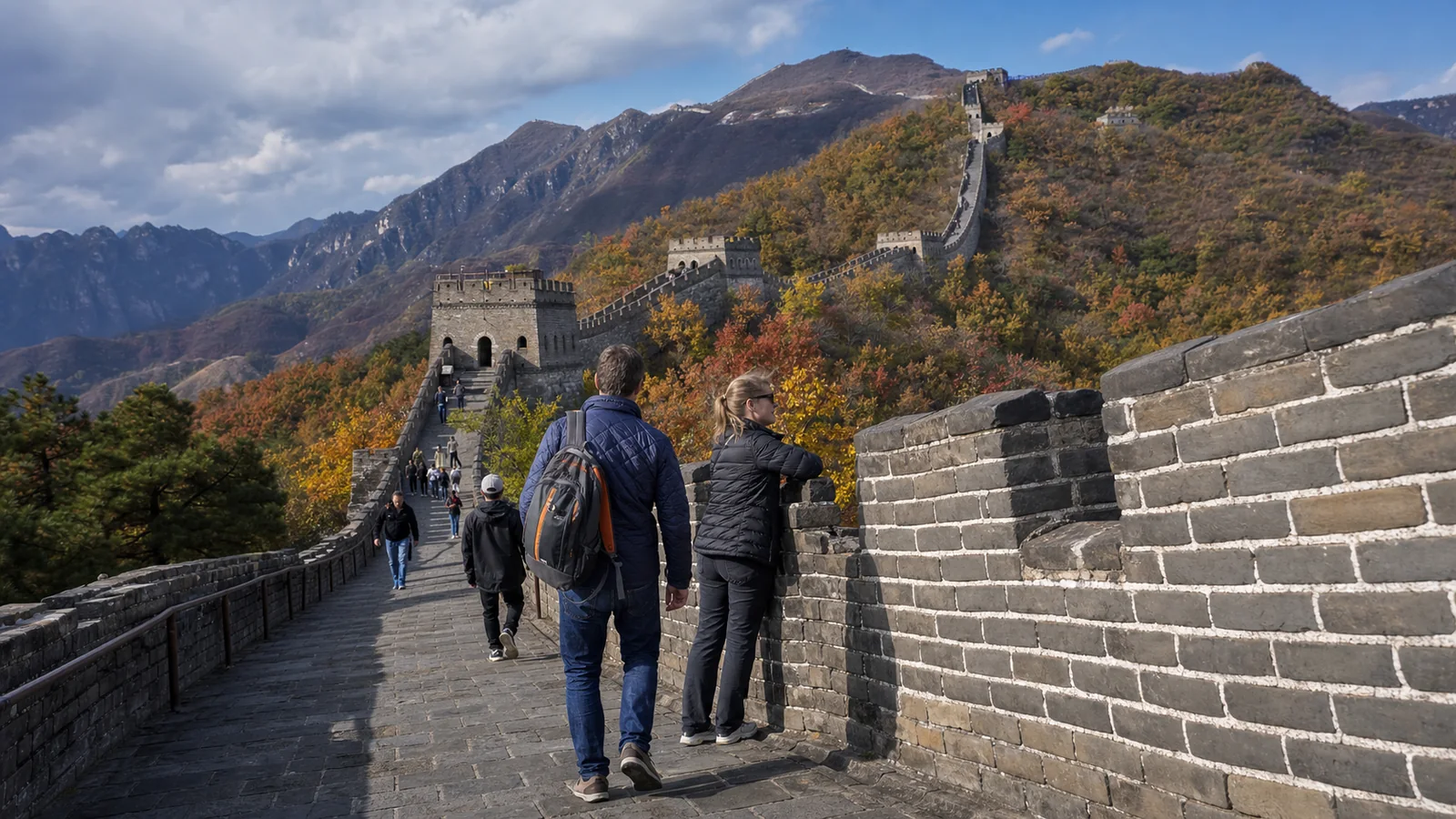
Autumn is a favorite for a reason. Beijing’s air becomes cooler, the Great Wall landscape changes color and walking days are comfortable. Shanghai gradually cools, although late August into mid September can still bring typhoon effects.
Avoid assuming all of October is quiet. The National Day holiday at the start of the month produces heavy domestic movement. Travel later in October for a better balance of weather and crowd levels.
November and December
November can be excellent for city travel. Beijing is colder but often clear, while Shanghai’s plane trees turn gold. The tradeoff is shorter daylight and a need for warmer layers.
December works for museums, food and business journeys. Shanghai’s damp winter can feel colder than the temperature suggests. Sanya becomes more attractive for a coastal finish, while northern mountain routes need true winter clothing.
Choose by region and interest
Beijing and Xi’an
Spring and autumn support long historical walking days. Winter is quieter but cold, while summer can be very hot.
Shanghai and Hangzhou
Spring and autumn are comfortable. Prepare for rain, summer humidity and occasional coastal storm disruption.
Guangzhou and Shenzhen
Winter and the shoulder seasons are comfortable. Summer is hot, humid and storm prone.
Sanya and Yunnan
Sanya is a winter escape. Yunnan varies sharply with altitude, so check each city rather than using one regional forecast.
Check holidays before buying the internal transport. A flexible date outside a major travel peak can improve the trip more than chasing a perfect weather forecast.
Frequently asked questions
What is the best month for a first China trip?
April, May, late September and October are strong for many classic routes, but avoid major public holiday peaks and check each destination.
Is summer too hot for China?
Not everywhere, but Beijing, Shanghai and southern cities can be hot and humid. Start early, plan indoor time and carry water and rain protection.
Is China worth visiting in winter?
Yes. Northern cities are cold but can be quieter, while Sanya offers a warm coastal option. Spring Festival requires early reservations.
When is China most crowded?
Spring Festival, May Day and the National Day holiday are major domestic travel periods. Exact dates and travel patterns should be checked each year.
Official information to check
Use Shanghai’s official four season climate guide and current official holiday travel information. The government reported 325 million domestic trips during May Day 2026.