
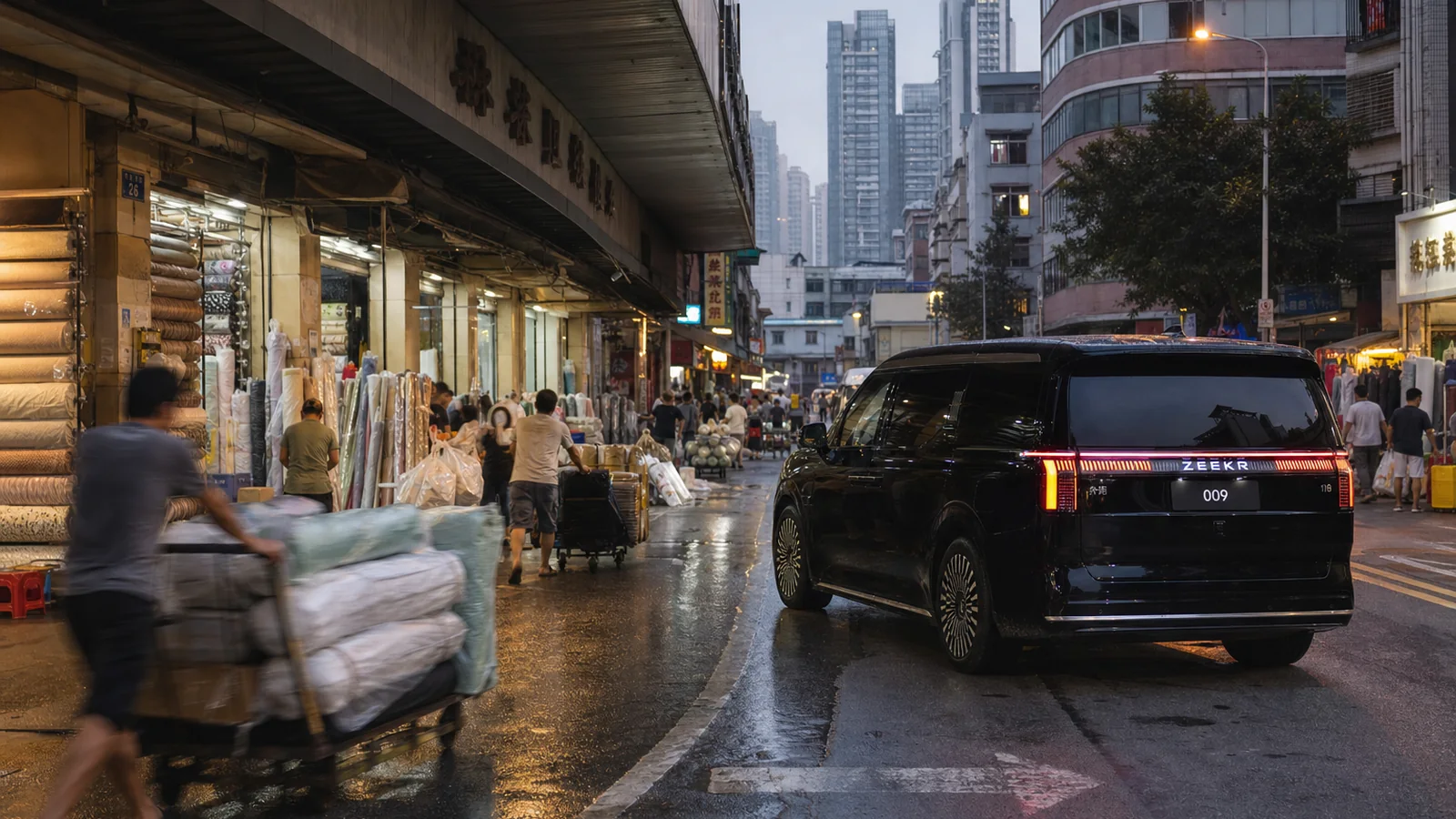
Guangzhou does not have one wholesale market. It has entire districts built around specific products, price levels and buying habits. A visitor who types “wholesale market” into a map can lose half a day in the wrong building. A buyer who defines the product first can cover a serious amount of ground in two days.
This itinerary is for finished goods, samples and supplier comparison. It is not a replacement for factory due diligence, quality inspection, contracts or export advice. The goal is to leave with clear options and organized evidence, not a suitcase full of items nobody can trace.
Before the first market
Write a one page buying brief. Include the product, target customer, quality level, expected quantity, target price, packaging, colors, certification needs and delivery market. Add reference photos and measurements where they matter.
Create a simple supplier record on your phone or tablet with fields for the building, floor, stall number, contact name, WeChat, product code, quoted price, minimum quantity, lead time and sample status. Photograph the stall card before photographing the product. Later, those two images will stay connected.
Choose one main product family. Clothing, fabric, leather goods, toys and general merchandise sit in different clusters. Trying to “see everything” produces lots of walking and very little useful comparison.
Day 1: clothing and supplier comparison
Start in the Liuhua clothing district
Baima Garment Market is a practical first stop for an international buyer who wants an organized introduction to mid and higher range fashion. Guangzhou's municipal commerce bureau has used Baima as part of official professional market business tours for overseas buyers.
Make a first pass before buying
Spend the first 45 minutes learning the floors and product levels. Save five to eight promising suppliers, then return for detailed questions. Buying from the first attractive stall removes your ability to compare fabric, finishing, quantities and price.
Stop for lunch and organize the morning
Use lunch to name photos, enter missing contact details and rank the suppliers. If the team cannot explain which three vendors are strongest, do not move to another district yet.
Choose one comparison district
Shahe is associated with volume, quick turnover and lower price points. Shisanhang is known for fast moving fashion and dense stall buildings. Neither is automatically better than Baima. The answer depends on your retail position, quantity and tolerance for a faster, less polished buying environment.
Consolidate samples before the hotel
Put each sample in a labeled bag and match it to the supplier record. Photograph any parcel handed to a courier. Do not depend on memory after visiting twenty stalls.
Day 2: general merchandise or one specialist category
Day two should answer a second commercial question. If the main purpose is gifts, toys, packaging or small merchandise, begin around OneLink Plaza and Yide Road. Official Guangzhou coverage continues to identify Yide Road as a long established market street and has featured OneLink in overseas buyer visits.
For leather goods, use the Guihuagang and Ziyuangang area. For fabrics, trims, buttons and material development, build the day around Zhongda. A finished garment buyer and a textile developer are doing different jobs, even when the final product is the same shirt.
A useful second day sequence
- Visit the most important specialist cluster first, while the team is fresh.
- Shortlist suppliers using the same fields and product brief from day one.
- Compare like with like. A lower price means little if material, packaging or quantity changed.
- Take lunch away from the busiest building and review every open question.
- Return to the best two suppliers or visit a showroom arranged in advance.
- Finish with sample packing, courier instructions and a written next step for each vendor.
What to ask every supplier
- Is the quoted price for this exact material, color, size and packaging?
- What is the minimum quantity per design and per color?
- Is the item in stock, made to order or sourced from another company?
- How long do samples and production take?
- Can the supplier provide a business license and a formal quotation?
- What changes if the order quantity increases or the packaging becomes custom?
- Who handles inspection, consolidation and export documentation?
Never let urgency replace verification. A market stall can be a good trading partner, a showroom for a factory, an agent or simply a reseller. Ask clearly and verify separately before sending a large payment.
Do you need a guide, translator or sourcing agent?
A translator helps the conversation. A market guide helps navigation and local buying habits. A sourcing agent may handle supplier checks, product development, inspection and shipping. These are not the same service.
For a first visit, a capable guide who understands your product can save hours. Send the buying brief in advance. Arabic, French or English support can also be arranged when required, while the supplier conversation continues in Chinese.
Which vehicle fits a market itinerary?
A private vehicle is valuable between districts and for secure sample storage, but it cannot stop at every market entrance. Guangzhou wholesale streets are crowded and loading access changes throughout the day. The chauffeur should agree on a precise pickup point and stay reachable while the group walks inside.
A ZEEKR 009 works well for two to four buyers with rolling cases and moderate samples. Its quiet cabin is useful for calls and reviewing quotations between stops. If the plan includes cartons, bulky displays or a larger team, choose a van or separate cargo support. Passenger comfort should not compete with sample capacity.
Ask the quote to include service hours, distance, parking, tolls, overtime and extra kilometer terms. Early market starts and late consolidation need to be planned, not discovered on the final invoice.
How China Chauffeurs supports buyer visits
We can coordinate airport pickup, Canton Fair days, market routes, factory visits, local guides, sample friendly vehicles and hotel returns through one operations contact. The itinerary can also include Foshan, Dongguan or Shenzhen factories on separate days when the product requires it.
Our role is to keep the day organized and moving. Product approval, legal review, inspection and payment decisions remain separate professional steps, and we will not present transport as a substitute for them.
Frequently asked questions
Is two days enough?
Yes for one main category and one specialist comparison. Several product families need more time.
Which clothing market first?
Baima is the easiest organized starting point. Add Shahe or Shisanhang only when their price and product level fit your brief.
Can I carry samples?
Yes. Label every item and choose the vehicle based on the real volume, not only the passenger count.
Can this follow Canton Fair?
Yes. Market days are useful for comparison, but keep them separate from full exhibition days.
Useful current information
Read Guangzhou's official coverage of the Professional Market Business Tour, recent international buying activity in the Guangzhou clothing trade, and the city's coverage of Yide Road and OneLink. Individual buildings, hours and access arrangements can change, so every route is checked before the service date.