
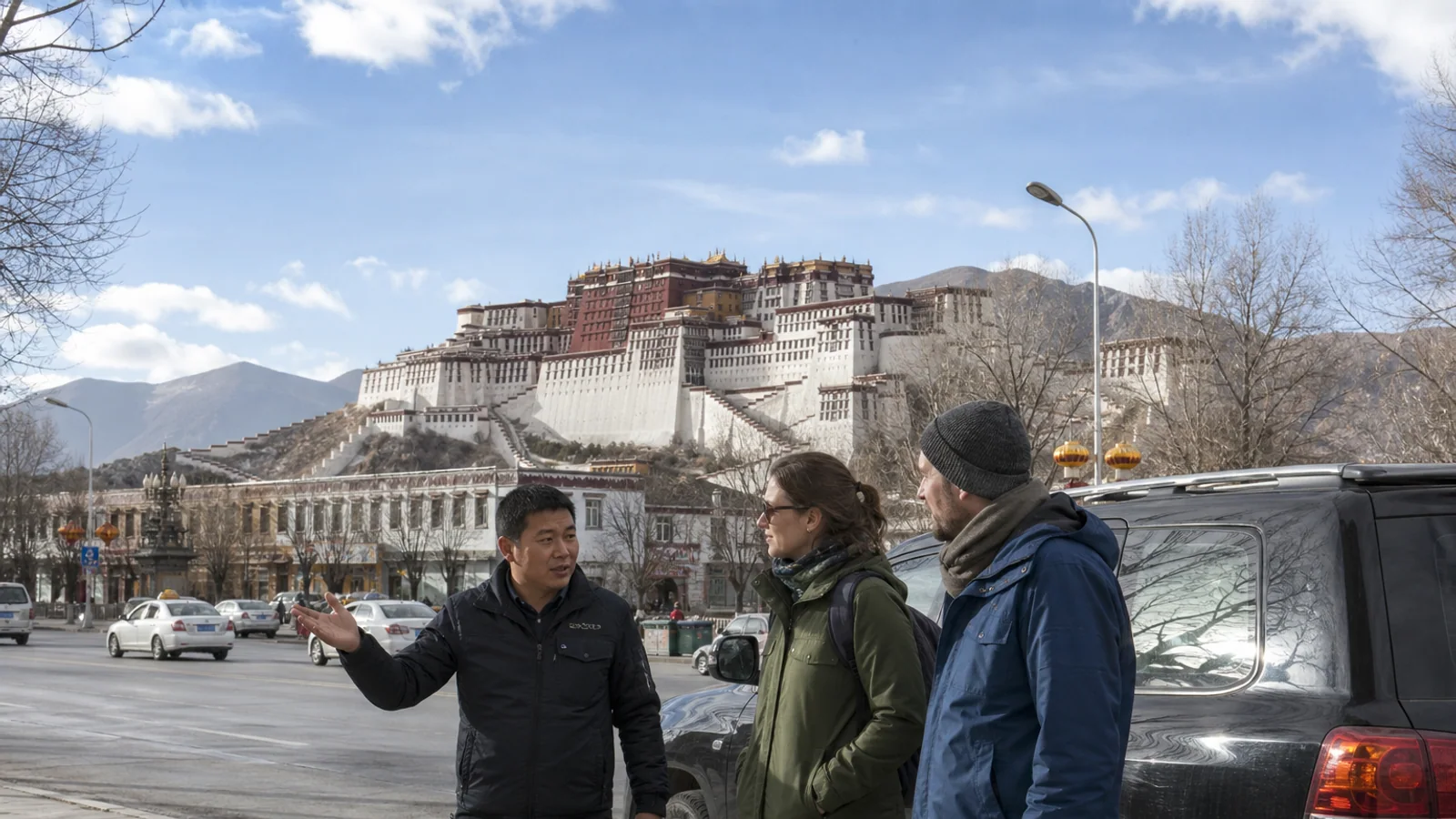
Lhasa is not a destination to improvise after booking a flight. Foreign passport holders need the correct Tibet travel arrangements, and every visitor should respect the altitude. The best first trip begins with documents, a licensed local team and a first day that deliberately does less.
Confirm the difficult part first. Tickets, routes and vehicles should remove uncertainty from the journey, not add another layer to manage.
Do not book Lhasa as an independent add on
Foreign travelers require official approval and an organized Tibet itinerary through an appropriately licensed travel agency. Additional border permissions can apply to sensitive frontier areas. The process uses passport and Chinese visa information, so begin well before departure and do not assume that a normal China visa alone completes the journey. Rules and processing details can change. Work with the licensed Tibet operator that will receive the travelers and confirm exactly which original or printed documents must be shown for the flight or train.
Choose train or flight around the complete route
The train creates an extraordinary plateau journey, but a very long rail ride does not guarantee protection from altitude symptoms. A flight is faster and can preserve days for a measured stay. Choose using the cities before and after Lhasa, ticket availability, comfort and total travel time. Whichever method you use, arrange the station or airport pickup through the same local team named in the itinerary. Keep passports and approval documents in hand luggage.

Take altitude symptoms seriously and individually
Lhasa sits at high elevation, and healthy, fit travelers can still develop headache, nausea, dizziness, poor sleep or unusual fatigue. The first day should avoid hard exercise, alcohol and a race through monuments. Drink normally, eat light food and rest. Travelers with heart, lung, blood or other significant conditions should seek personal medical advice before the trip. If symptoms become severe, worsen or include difficulty breathing at rest, confusion or loss of coordination, seek urgent medical help rather than continuing the itinerary.
Build the first four days in a sensible order
Use arrival day for the hotel and a short neighborhood walk only if everyone feels well. On the next day, choose a gentle guided route such as parts of the old city and Jokhang area according to current access. Place the Potala Palace when the assigned ticket time is confirmed and the group has settled. A monastery visit can follow on another day. Timed tickets, security checks and active religious practice shape the schedule, so a local guide should make daily adjustments without turning every hour into a checklist.
Visit a living religious city with restraint
Follow local instructions on photography, clockwise movement, dress and restricted spaces. Do not photograph worshippers closely without permission or interrupt people completing a pilgrimage. Avoid presenting every encounter as a performance for visitors. A good guide explains what can be observed, when the group should step aside and why some rooms or ceremonies are not open. Respect creates a more meaningful visit than trying to collect an exclusive image.
Extend beyond Lhasa only after the body and permits agree
Yamdrok Lake, Shigatse, Everest region and border areas involve higher elevations, long roads and additional permissions. Do not attach them automatically to a short Lhasa stay. The licensed operator should confirm route approval, vehicle, guide, hotels, seasonal road conditions and emergency planning. We can coordinate the wider China journey around the Tibet segment, while the authorized local partner controls the regulated travel inside Tibet. That division should be transparent from the first proposal.
Questions travelers ask
Do foreign tourists need a permit to visit Tibet?
Foreign passport holders need official Tibet travel approval arranged through an appropriately licensed travel agency. Additional permissions may apply to some areas.
Is taking the train enough to prevent altitude sickness?
No. Altitude can affect travelers regardless of arrival method. Keep the first days gentle and seek medical advice for personal health risks.
How many days should a first Lhasa trip include?
At least four nights gives the arrival, altitude and core visits more room. Longer routes outside Lhasa require additional time and permissions.
Current information to check
Review official Tibet travel approval information. Also review Tibet Public Security entry and exit regulations. Opening hours, tickets, transport controls and operating procedures can change, so confirm them again close to travel.