
A serious food journey is not ten restaurant reservations. It is a route through breakfast stalls, markets, family dishes, formal dining rooms and the neighborhoods that explain why each city eats the way it does.
This itinerary uses Beijing, Xi’an, Chengdu and Guangzhou because the contrast is immediate. Northern wheat, Silk Road influence, Sichuan aroma and Cantonese technique create a journey that changes with every flight or train.
Ten days is active. A chauffeur in each city protects time between markets, hotels and dinner. A knowledgeable local guide helps with ingredients, ordering and context. Neither role should turn the trip into a sales circuit.
Days one and two: Beijing
Begin gently after the international arrival. A first evening can be a simple noodle, dumpling or seasonal northern meal close to the hotel. Save the major dinner for the second day, when jet lag is less likely to empty the table early.
Visit a morning market or traditional neighborhood with a guide, subject to current access. Learn the difference between buns, pancakes, millet dishes and preserved flavors. Taste selectively rather than buying one of everything in the first hour.
Plan Peking duck as a complete meal, not a single photograph of carving. Ask about the pancakes, condiments, skin, meat and remaining courses. Another meal can explore copper pot mutton, noodles with fried sauce or refined imperial influenced cooking.
Build one cultural visit into each day. The Temple of Heaven, a hutong walk or a museum makes the food part of the city rather than an isolated activity.
Days three and four: Xi’an
Travel by high speed rail when the schedule and tickets support it. Arrange station pickup because luggage, large exits and an unfamiliar food street are not a good combination after several hours on a train.
Xi’an is shaped by wheat, lamb, beef, spice and centuries of exchange. Try hand pulled or hand torn noodles, roujiamo, dumplings and paomo with someone who can explain how the dish is ordered and eaten.
The Muslim Quarter is culturally important and visually energetic, but it is not the only place to eat. Explore with respect, remember that halal practice matters and ask before photographing vendors closely. A guide can include quieter streets and family businesses away from the densest flow.
Keep the Terracotta Warriors as a half or full day depending on interest. Eat a sensible lunch near the route, then return for a more focused city dinner.
Days five to seven: Chengdu
Fly to Chengdu or use rail if the wider journey makes that sensible. Three days allows more than a single hotpot. Sichuan cooking builds flavor through fragrance, fermentation, heat, texture and careful combinations.
Begin with a guided market visit. Look at pickled vegetables, chili products, tofu, greens and seasonal ingredients. A cooking session can be useful when it teaches technique in a real kitchen and respects hygiene and dietary needs.
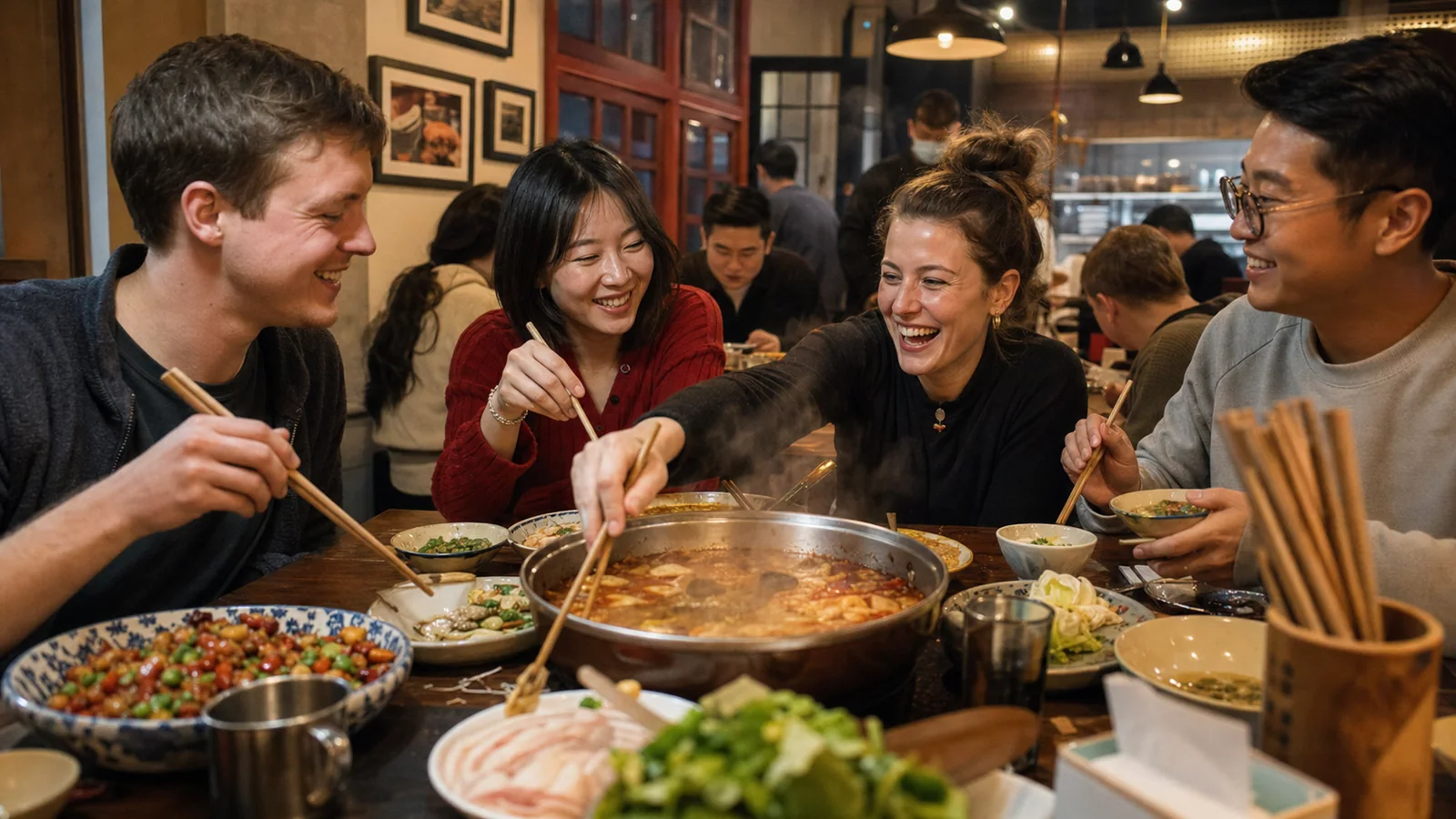
Plan one hotpot, one meal of classic shared dishes and one casual day of snacks or noodles. Tell the restaurant honestly about heat tolerance. Less chili does not always remove Sichuan pepper or fermented ingredients, so be specific about allergies.
Use the remaining time for a teahouse, a panda visit, an old neighborhood or a day trip. The best food itinerary still needs open hours between meals.
Do not book three large tastings every day. A market breakfast, one important lunch and a light evening can be more memorable than constant eating.
Days eight to ten: Guangzhou
End in Guangzhou, where dim sum, roast meats, soups, seafood and seasonal freshness create a very different table. The city is especially rewarding with a Cantonese speaking guide who can help order for the group.
Have dim sum in the morning when possible. Choose a balanced order of steamed, baked and fried pieces rather than ten similar baskets. Tea service and the rhythm of sharing are part of the experience.
Visit a traditional market or food street with care and an open mind. Another meal can focus on roast goose or char siu, while a more formal dinner explores seafood, double boiled soup and precise vegetable cooking.
Leave the last afternoon flexible for a riverside walk, shopping, a museum or rest before the departure flight. Guangzhou’s airport is far enough from central districts that the final transfer must be planned, not improvised.
Allergies, halal meals and dietary needs
Send dietary requirements in plain detail. The word vegetarian can be interpreted differently, and a vegetable dish may use animal stock, lard, oyster sauce or small dried seafood. Severe allergies require a professionally translated written card and direct confirmation with the kitchen.
Halal travelers have good options in several cities, especially within established Muslim communities. The guide should distinguish a genuinely suitable restaurant from a general menu that happens to serve beef or lamb.
For children, add familiar foods between adventurous meals. A successful family food trip creates curiosity without turning every dinner into a test.
Why transport matters on a food trip
The best meal may not be beside the landmark visited that morning. A private car lets the route connect a market, hotel break, neighborhood and dinner without asking guests to solve each address.
Use a sedan for one or two travelers, an MPV for a family or small group, and a van when luggage and group size require it. Confirm daily hours, overtime, extra kilometers and intercity handoffs. Guides can change by city while one operations team keeps the journey connected.
How to book this journey well
Start with the international flights, preferred hotel level, dietary information and the balance between food and sightseeing. Then choose the rail or domestic flight connections. Popular holiday dates need more lead time.
Do not lock every dish months ahead. Reserve the experiences that truly require it and leave room for a guide’s current local recommendation. Restaurants close, chefs move and seasonal ingredients change. A human itinerary stays useful because it can adapt.
Frequently asked questions
Can Beijing, Xi’an, Chengdu and Guangzhou fit into ten days?
Yes, but it is an active route. Use efficient rail or flights and keep at least two nights in each city, with three in Chengdu or Guangzhou when possible.
Can this food itinerary support halal travelers?
Yes, with careful planning and clear communication. Established Muslim communities offer strong choices, but each restaurant should be confirmed rather than assumed.
What if I cannot eat spicy food?
The route still works. Beijing, Xi’an and Guangzhou provide many mild dishes, and a guide can help order lower heat options in Chengdu while checking other strong seasonings.
Do I need a guide for every meal?
No. Use a guide where language, markets or culinary context add value. Leave some meals free for rest, hotel dining or a simple neighborhood choice.
Official information to check
Explore Beijing’s official food introduction and current official city visitor guides before the trip. Restaurant hours, market access and food experiences change, so confirm each booking locally.