
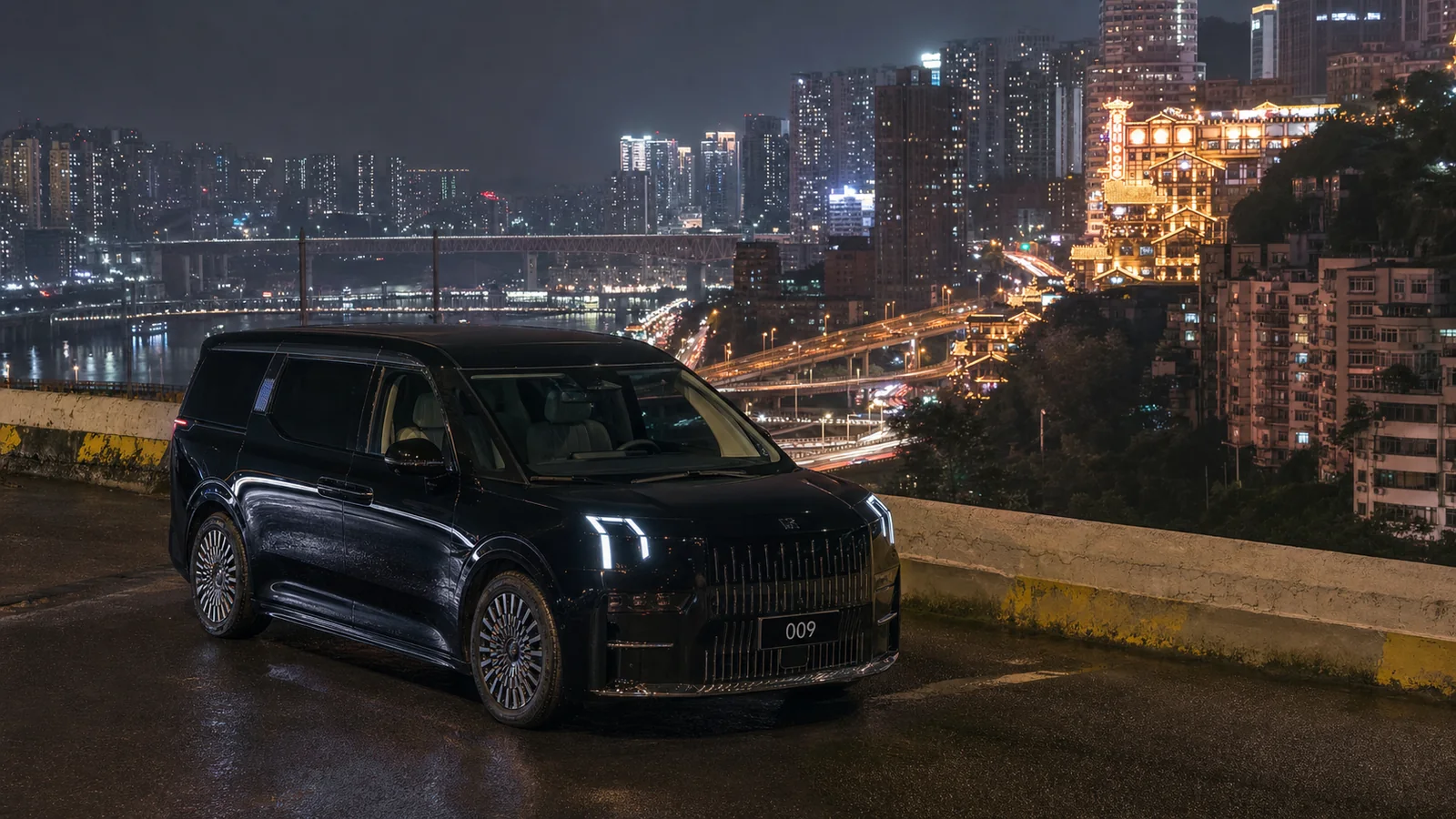
Chongqing can make a short distance feel like a puzzle. A place directly below you may require a lift, a bridge and a road on another level. That geography is part of the attraction, but it also makes a copied map itinerary unreliable.
Three days works when each day stays within a logical part of the city and the evening view is planned around real access, not just the nearest pin.
Where to stay
Jiefangbei is convenient for a first visit and places you close to central food and night views. Hotels around Nanbin Road offer river perspectives. Choose the hotel entrance carefully because some properties have different vehicle and pedestrian levels.
Day 1: Jiefangbei, rivers and Hongya Cave
Begin around Jiefangbei and walk toward the river at a comfortable pace. Add the Three Gorges Museum if history interests the group. Near sunset, position for a river or skyline view before Hongya Cave becomes busiest.
Hongya Cave is impressive from outside at night. You do not need to spend hours inside the commercial complex. A chauffeur who knows the upper and lower road levels can choose a sensible meeting point after the walk.
Day 2: Ciqikou and local Chongqing
Visit Ciqikou early, then leave the busiest central lanes for quieter side streets when possible. Continue to a neighborhood teahouse, the Liziba train viewpoint, or an architecture stop according to interest.
Eat hotpot in the evening. Tell the restaurant about allergies and spice tolerance. A divided pot is useful, and ordering fewer dishes first avoids waste. Keep tissues and a light jacket in the car because the smell follows you.
Day 3: Wulong or a deeper city day
Wulong’s Three Natural Bridges are a full excursion and suit travelers who want dramatic landscape. Leave early and do not attach it to a departure flight. If the group prefers the city, use the day for museums, river crossings, local markets and viewpoints.
A Three Gorges cruise is not a small add on to this itinerary. It needs separate nights and should be planned as the next part of the journey.
Walking and mobility
Expect stairs, slopes, lifts and uneven transitions. A vehicle reduces long cross city transfers but cannot remove every climb. Tell the planner about wheelchairs, walking limits and young children before the route is confirmed.
Choosing the right vehicle
A sedan is comfortable for one or two guests with light luggage. An MPV is usually the better answer for a family, a small group, or anyone carrying several cases. A ZEEKR 009 is an excellent premium option when available because the cabin is quiet and the second row is generous. Larger parties, bulky samples, wheelchairs, or extensive luggage may need a full size van.
Ask for a quote that names the service hours, included distance, parking, tolls, overtime and extra kilometer rate. The best vehicle is the one that fits the people, luggage and route. It does not need to be the most expensive car in the fleet.
What to send before the itinerary is confirmed
Share the full travel dates, flight or train numbers, hotel names, passenger count and luggage count. Add the ages of children, walking limits, dietary needs and any attraction that would make the trip feel incomplete. Business travelers should include company addresses, local contacts and the purpose of each meeting. These details change the route and the vehicle more than a list of famous places does.
Passport names may be required for tickets and transport. Send them only through the agreed booking channel and check every spelling before reservations are made. Keep original passports available on travel days. If a wheelchair, child seat, interpreter, airport fast track or larger luggage vehicle is needed, request it before the final confirmation rather than on the morning of service.
What private planning should improve
A private journey should not simply place a car between attractions. It should protect the useful hours of the day. That means choosing the right hotel area, avoiding unnecessary returns across the city, placing meals near the route and giving major sites enough time. It also means leaving space for weather, tired travelers and a restaurant that turns out to be worth staying in.
China Chauffeurs can coordinate airport meet and greet, cars and vans, local guides, fast track services, restaurant planning, business visits and complete multi city journeys. One operations contact keeps the driver, guide and traveler working from the same plan. If a flight is late or a reservation changes, the route can be adjusted without asking the client to rebuild the day alone.
Frequently asked questions
Is three days enough for Chongqing?
Yes for the central city. Add time if you want Wulong or a Three Gorges cruise.
Why is private transport useful in Chongqing?
Road levels and pickup points are unusually complex, especially after night viewpoints.
Is Hongya Cave worth visiting?
Yes for the exterior night view. The group can decide how much time to spend inside.
Can the route suit limited mobility?
Yes with careful pickup points, but some famous areas still include slopes and stairs.
Useful official information
Current visitor improvements in Jiefangbei, Official Chongqing and Three Gorges itinerary, Official Wulong route context. Schedules, tickets, access and local controls can change, so confirm current notices before the service date.