
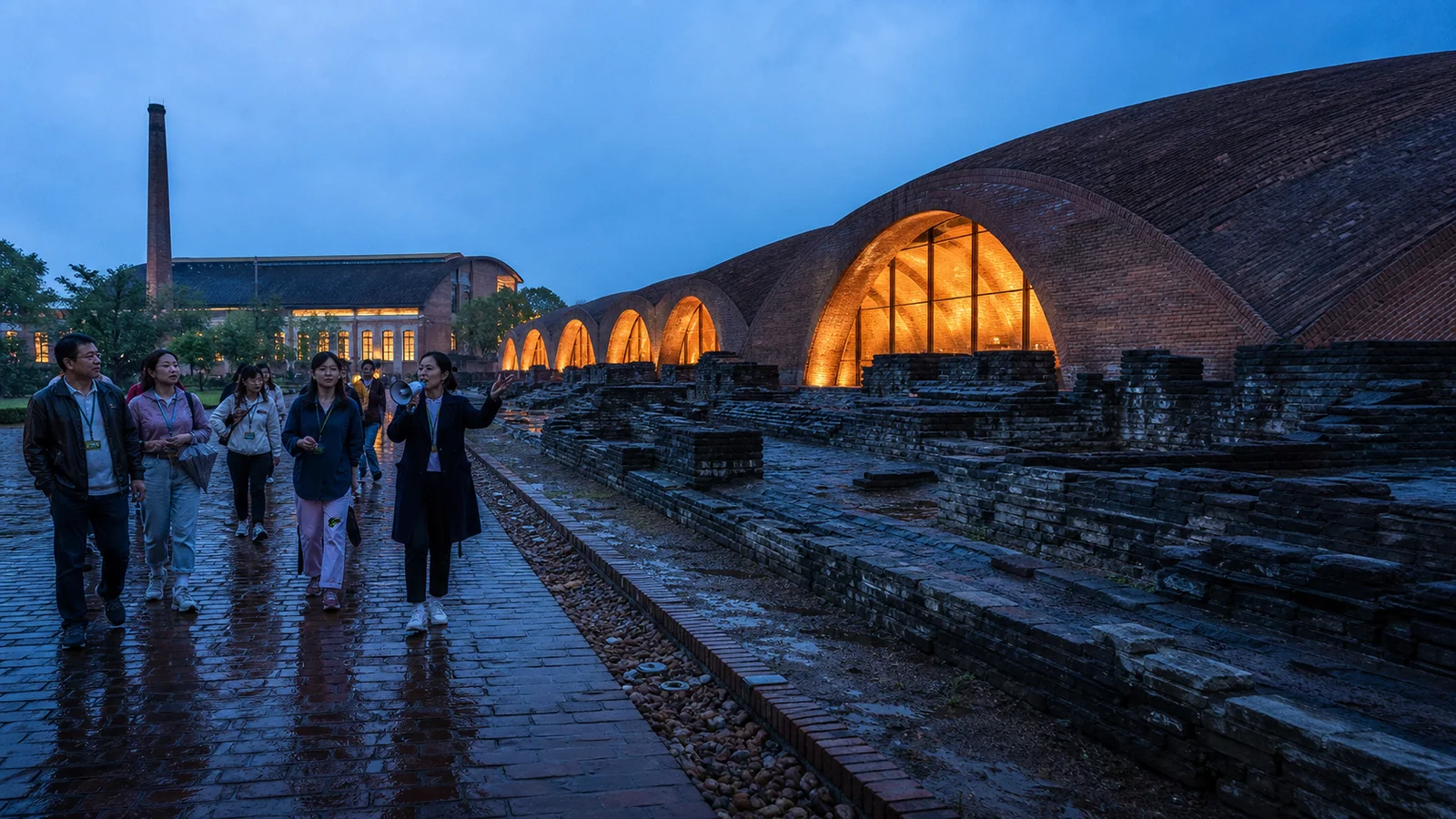
Jingdezhen joined the UNESCO World Heritage List in 2026. Its real story runs from clay and kiln ruins to working painters, independent studios and ceramics made today.
Choose the experience first. Tickets, routes and vehicles should support the journey you want, not force everyone through a generic schedule.
Why Jingdezhen matters now
In July 2026, UNESCO inscribed the Jingdezhen Porcelain Industry Heritage Sites. The property brings together five component parts that explain production from the tenth to nineteenth centuries and the city’s global influence. The recognition is new, but the culture is not. Jingdezhen supplied imperial courts, shaped international trade and became closely associated with blue and white porcelain.
This is a rare moment to visit a major heritage city before international itineraries become repetitive. The strongest trip does not stay inside one new museum. It follows material from historical production sites into a present day community of painters, throwers, kiln workers, designers and collectors.
Day one: Imperial Kiln history and the city center
Begin at the Imperial Kiln archaeological area and museum. The red brick vaults are visually striking, yet the objects and kiln remains explain why this location mattered. Use a guide who can connect shapes, marks, firing failures and court standards. Continue through the surrounding historic city at a measured pace, then return after blue hour if current access allows.
Do not schedule a studio purchase before learning basic vocabulary. Understanding porcelain stone, kaolin, glaze and firing changes the questions you ask later. It also makes it easier to distinguish an original studio piece from a generic souvenir carrying a dramatic sales story.

Day two: working studios, markets and honest buying
Visit a working ceramic district or selected independent studios. Watch how a vessel is thrown, trimmed, decorated and fired. Ask before photographing faces or proprietary designs. A serious host should be comfortable explaining who made the piece, which process was used and whether the object is food safe.
Markets can range from inexpensive student work to established artists. Set a budget, compare calmly and buy only what you love. For valuable pieces, request clear documentation and professional packing. Shipping ceramics internationally requires strong double boxing, insurance and an honest customs declaration. Hand carrying a delicate purchase is not always safer.
Day three: follow the material beyond the center
Use a private vehicle for the older production landscape outside the central museum circuit. Depending on current access and interests, the day may include historic kiln areas, Hutian remains, Yaoli village or landscapes connected with porcelain stone and kaolin. These locations reveal that Jingdezhen was a network of resources, workshops, waterways and labor rather than one royal factory.
Choose two meaningful stops. Rural roads and opening arrangements take time, and heritage conservation may limit access. A pottery workshop can be added, but a short class will not turn a visitor into a master. The value is feeling how responsive the clay is and appreciating the control behind a finished bowl.
Make the visit human, not decorative
The city attracts experienced craftspeople, young graduates, collectors and entrepreneurs. Meet them through appointments suited to the traveler’s interest, whether that is historical blue and white, contemporary sculpture, tea ware or architectural ceramics. Translation matters because technical discussion becomes vague quickly. Pay fairly for workshops and expert time.
Let the vehicle protect fragile time and objects
A private car works for two travelers with light purchases. An MPV gives families, collectors and wrapped ceramics safer space. Share the train or flight plan and any shipping appointment. The chauffeur handles movement between spread out districts, while a specialist guide helps evaluate history and process. Those roles together make the three days coherent.
Questions travelers ask
When did Jingdezhen become a UNESCO World Heritage site?
The Jingdezhen Porcelain Industry Heritage Sites were inscribed in July 2026.
How many days should I spend in Jingdezhen?
Three days allows the Imperial Kiln, working studios and one route into the wider production landscape.
Can I buy and ship porcelain internationally?
Yes, but valuable or fragile pieces need clear documentation, professional packing, insurance and correct customs declarations.
Current information to check
Review UNESCO Jingdezhen Porcelain Industry Heritage Sites Also review 2026 inscription report. Opening hours, ticket rules, route controls and weather procedures can change, so confirm them again close to travel.