
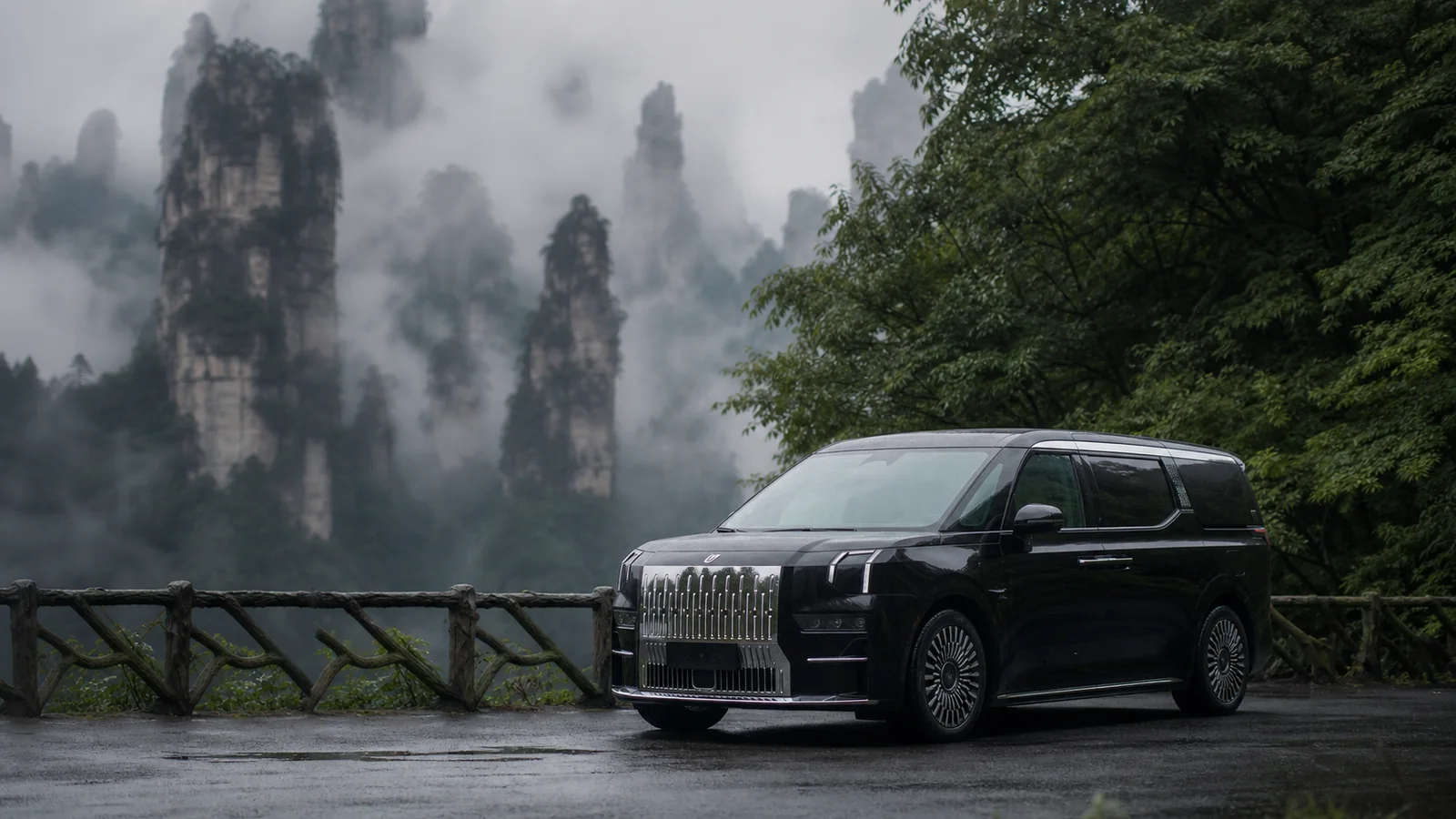
Zhangjiajie looks compact online, but its major areas are not one park entrance. Wulingyuan, Tianmen Mountain and the Grand Canyon need different access plans. Poor hotel placement creates repeated drives and rushed cable car queues.
Four days is an excellent first visit. Stay near Wulingyuan for the national forest park, then move closer to central Zhangjiajie for Tianmen Mountain and departure.
Day 1: Arrival and Wulingyuan
Meet the chauffeur at Hehua Airport or Zhangjiajie West station and continue to Wulingyuan. The airport now has an international visitor service center covering payment, communication, transport and tourism guidance. Even so, keeping one local contact for the whole trip is simpler.
If arrival is early, take a short walk near the hotel. Do not buy a late park entry that forces the group to rush the first viewpoint.
Day 2: Yuanjiajie and Tianzi Mountain
Enter early and use the Bailong Elevator or park transport according to the day’s flow. Yuanjiajie and Tianzi Mountain are the core high level landscape day. Fog may hide distant pillars for an hour and then open suddenly, so the guide should adjust rather than abandon the route too early.
Official Hunan itineraries group these areas across the first days of a Zhangjiajie visit. Wear stable shoes and carry only a day bag. Park transfers, stairs and viewpoints create more walking than the map suggests.
Day 3: Golden Whip Stream or Grand Canyon
Choose Golden Whip Stream for a lower, greener perspective and a calmer pace. Choose the Grand Canyon and glass bridge for a more structured attraction day. Combining both fully can make the day longer than it looks.
Return to the city in the late afternoon and change hotels if Tianmen Mountain is planned for tomorrow. This reduces pressure on the final morning.
Day 4: Tianmen Mountain
Reserve the correct entry route and allow enough time for cable cars, cliff walks and weather delays. The famous stairway is optional. Travelers who dislike heights or have limited mobility need a route designed around them, not a challenge imposed by the group.
Do not schedule a tight flight immediately after the mountain. Cable cars and park controls can change with wind, weather and visitor volume.
Weather and season
Summer can be cooler in the mountains but busy. Winter may bring dramatic snow and closures. Spring and autumn often offer comfortable walking, yet mist is possible in every season. The landscape does not need a perfectly blue sky to be beautiful.
Choosing the right vehicle
A sedan is comfortable for one or two guests with light luggage. An MPV is usually the better answer for a family, a small group, or anyone carrying several cases. A ZEEKR 009 is an excellent premium option when available because the cabin is quiet and the second row is generous. Larger parties, bulky samples, wheelchairs, or extensive luggage may need a full size van.
Ask for a quote that names the service hours, included distance, parking, tolls, overtime and extra kilometer rate. The best vehicle is the one that fits the people, luggage and route. It does not need to be the most expensive car in the fleet.
What to send before the itinerary is confirmed
Share the full travel dates, flight or train numbers, hotel names, passenger count and luggage count. Add the ages of children, walking limits, dietary needs and any attraction that would make the trip feel incomplete. Business travelers should include company addresses, local contacts and the purpose of each meeting. These details change the route and the vehicle more than a list of famous places does.
Passport names may be required for tickets and transport. Send them only through the agreed booking channel and check every spelling before reservations are made. Keep original passports available on travel days. If a wheelchair, child seat, interpreter, airport fast track or larger luggage vehicle is needed, request it before the final confirmation rather than on the morning of service.
What private planning should improve
A private journey should not simply place a car between attractions. It should protect the useful hours of the day. That means choosing the right hotel area, avoiding unnecessary returns across the city, placing meals near the route and giving major sites enough time. It also means leaving space for weather, tired travelers and a restaurant that turns out to be worth staying in.
China Chauffeurs can coordinate airport meet and greet, cars and vans, local guides, fast track services, restaurant planning, business visits and complete multi city journeys. One operations contact keeps the driver, guide and traveler working from the same plan. If a flight is late or a reservation changes, the route can be adjusted without asking the client to rebuild the day alone.
Frequently asked questions
Is four days enough for Zhangjiajie?
Yes. It allows two Wulingyuan days, Tianmen Mountain and a sensible arrival.
Where should we stay?
Use Wulingyuan for the forest park, then central Zhangjiajie for Tianmen Mountain and departure.
Is the route suitable for limited mobility?
It can be adapted, but cable cars, transfers and some stairs still require careful planning.
What happens in heavy fog?
The guide can change the order and wait for openings, but safety and park controls come first.
Useful official information
Current international Zhangjiajie route guidance, Official greater Zhangjiajie itinerary, Zhangjiajie airport international service center. Schedules, tickets, access and local controls can change, so confirm current notices before the service date.